


When women come to see me struggling with perimenopause, the conversation almost always starts with hormones. Hot flashes, mood swings, sleepless nights, stubborn weight. But after three decades of practice, I have learned that hormone therapy alone is rarely the whole story. If detoxification pathways are overwhelmed, even well-dosed bioidentical hormones are fighting an uphill battle.
The Toxin-Hormone Connection
Our bodies were never designed for today’s chemical load. Endocrine disrupting chemicals (EDCs) such as BPA, phthalates, and PFAS are now found in nearly everyone’s tissues. They bind to hormone receptors, mimic or block estrogen signaling, and interfere with thyroid and adrenal function (Aydemir & Ulusu, 2023). Urinary phthalate metabolites have been directly linked to lower serum testosterone and to altered hormone levels in perimenopausal women (Meeker & Ferguson, 2014; Chiang et al., 2021).
This matters most during the menopause transition, when a heavy toxin burden leaves the body less able to metabolize and clear estrogen and progesterone properly. Detoxification and hormone balance are not two separate conversations. They are the same conversation.
Where Bioidentical Hormones Fit, and Where They Do Not
Bioidentical hormones are not synthetic progestins. Bioidentical progesterone is molecularly identical to what your ovaries once produced, while synthetic progestins are structurally altered and carry a different risk profile. Pellet therapy, such as the EvexiPEL method I use in practice, delivers estradiol and testosterone only, not progesterone, which is why I pair it with oral or topical bioidentical progesterone when appropriate. None of this replacement work addresses the toxin load sitting upstream. That is where detoxification support becomes essential.
Methylation: The Pathway That Actually Clears Your Hormones
Methylation is the mechanism most patients have never heard of, yet it governs how the liver clears estrogen. After Phase I hydroxylation, the COMT enzyme methylates estrogen metabolites in Phase II, converting them into forms the body can safely excrete. When methylation is sluggish, whether from genetic variants like MTHFR or nutrient depletion, those metabolites build up rather than clear, contributing to estrogen dominance symptoms.
Methylated folate, B12, and B6 are the key cofactors here, with B6 also supporting broader amino acid and neurotransmitter metabolism (Parra, Stahl, & Hellmann, 2018). This is why I built our KHOSH Hepato Charge formula around liver and methylation support, and why Cycle Flow targets the perimenopausal and cycling woman, since hormone clearance and cycle regularity depend so heavily on methylation. Supporting this pathway is often what determines whether hormone therapy works smoothly or feels like an uphill climb.
Homeopathic Drainage: A More Personalized Layer
Homeopathic drainage tends to surprise patients coming from a conventional background. It supports the body’s own channels of elimination, known as the emunctories: liver, kidneys, lymphatics, skin, and lungs. Unlike a standardized detox protocol, drainage remedies are selected individually based on a person’s physical symptoms, constitutional tendencies, and mental and emotional state at the time.
I want to be transparent that this comes from classical naturopathic and homeopathic tradition rather than randomized controlled trial evidence. What I have found clinically is that this individualized layer often helps patients who feel stuck despite doing everything else right. It is gentle by design, working at a pace the body can tolerate rather than forcing a rapid detox response.
A Deeper Layer: Therapeutic Plasma Exchange
For patients with a particularly high toxic burden, one of the more advanced tools I discuss is therapeutic plasma exchange (TPE), an extracorporeal procedure that separates plasma from blood cells and replaces it with a clean, protein-rich fluid such as albumin. This removes large molecular weight substances, including antibodies, inflammatory cytokines, and circulating toxins (Nguyen et al., 2012; Padmanabhan et al., 2019).
At Holistique, therapeutic plasma exchange is provided by Circulate Health, with our team providing the supportive protocol around it.
TPE is not limited by molecular size, charge, or lipid binding the way some other clearance methods are. A recent study of serial TPE combined with nutrient supplementation found meaningful reductions in circulating synthetic chemical levels. This is not a first-line therapy for everyone, but for patients with significant chronic toxic exposure or autoimmune overlap, it can be a powerful adjunct to a broader protocol.
Supporting the Body’s Own Detox Pathways
For most patients, the foundation is simpler: giving the liver, kidneys, and lymphatic system the nutrients they need. Antioxidant and anti-inflammatory support are consistently protective against the cellular damage caused by toxin accumulation. I lean on formulations like our KHOSH I3C Complex and NAC, alongside dietary strategies that reduce ongoing exposure to plastics, pesticides, and personal care product chemicals.
The Bottom Line
Hormone balance is achieved when the body can produce, metabolize, and clear hormones the way it was designed to. Detoxification is not a wellness buzzword in my practice. It is a clinical prerequisite for hormone therapy to actually work.
If you are navigating perimenopause or menopause and want to understand your own toxin burden and hormone picture, our team at Holistique Medical Center is here to help you build a plan that addresses both.
References
Aydemir D, Ulusu NN. The possible role of the endocrine disrupting chemicals on the premature and early menopause associated with the altered oxidative stress metabolism. Front Endocrinol. 2023;14:1081704. (pubmed.ncbi.nlm.nih.gov)
Chiang C, Pacyga DC, Strakovsky RS, et al. Urinary phthalate metabolite concentrations and serum hormone levels in pre- and perimenopausal women from the Midlife Women’s Health Study. Environ Int. 2021;156:106633. (pubmed.ncbi.nlm.nih.gov)
Meeker JD, Ferguson KK. Urinary phthalate metabolites are associated with decreased serum testosterone in men, women, and children from NHANES 2011-2012. J Clin Endocrinol Metab. 2014;99(11):4346-4352. (pubmed.ncbi.nlm.nih.gov)
Nguyen TC, Kiss JE, Goldman JR, Carcillo JA. The role of plasmapheresis in critical illness. Crit Care Clin. 2012;28(3):453-468. (pubmed.ncbi.nlm.nih.gov)
Padmanabhan A, Connelly-Smith L, Aqui N, et al. Guidelines on the use of therapeutic apheresis in clinical practice, evidence-based approach from the writing committee of the American Society for Apheresis: the eighth special issue. J Clin Apher. 2019;34(3):171-354. (pubmed.ncbi.nlm.nih.gov)
Parra M, Stahl S, Hellmann H. Vitamin B6 and its role in cell metabolism and physiology. Cells. 2018;7(7):84. (pubmed.ncbi.nlm.nih.gov)
You may also enjoy
 Hormone & Metabolic Health
Oct 13, 2026
HRT Not Working? How Senescent Cells and TPE Explain Ongoing Symptoms
You started hormone therapy expecting to feel like yourself again. Your labs may even look good now. But the fatigue, brain fog, or joint pain never fully lifted. If this sounds familiar, the missing piece may not be your hormone levels at all. It may be cellular senescence.
 Detoxification
Apr 22, 2026
Detoxification: What It Really Means (and How to Support It Naturally)
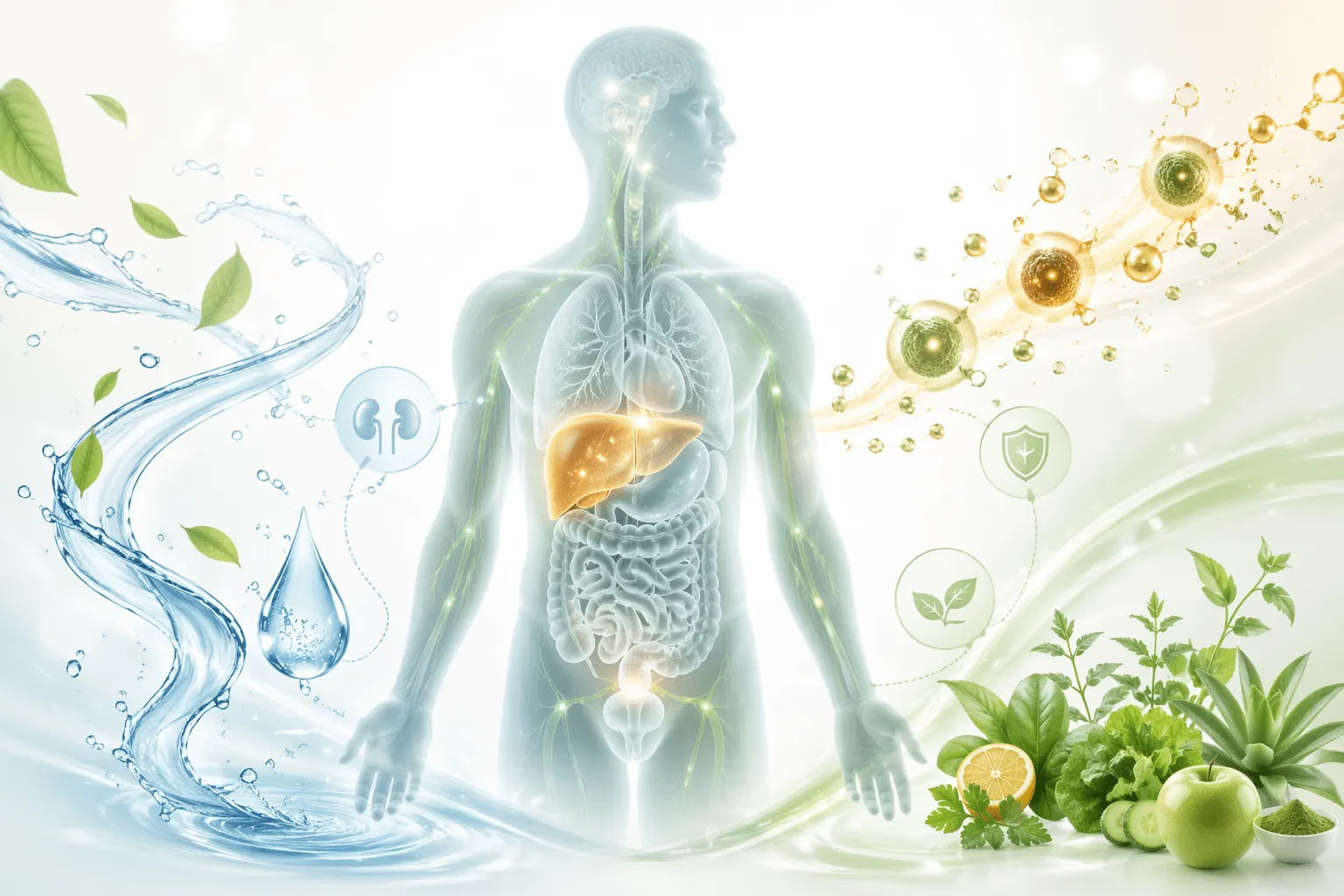
Detoxification: What It Really Means (and How to Support It Naturally) “Detox” is one of the most commonly used—and misunderstood—terms in health and wellness. Juice cleanses, teas, and quick-fix programs promise to “flush toxins,” but from a naturopathic and functional medicine perspective, detoxification is not something you turn on for a week—it’s something your body…
 Regenerative Medicine
Jan 2, 2026
Muscle: The Longevity Organ
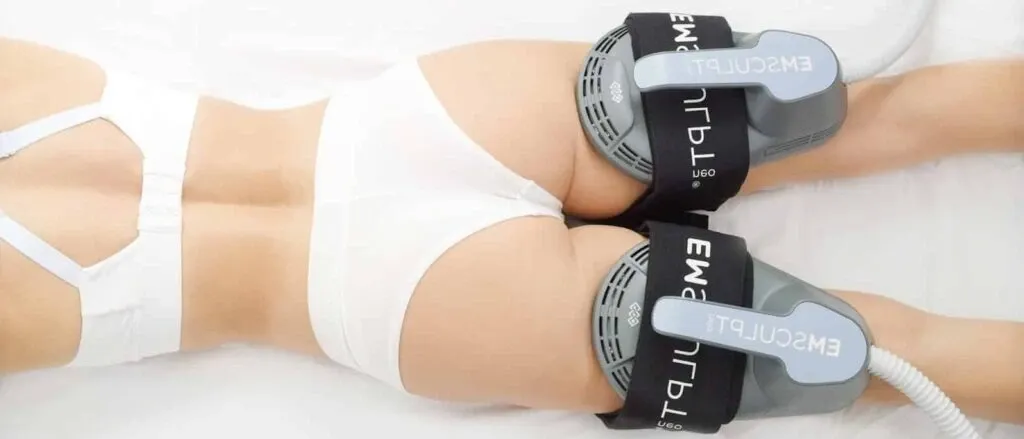
What if the secret to living longer and healthier wasn’t another supplement, diet trick, or wearable tracker but simply stronger muscles? Growing evidence suggests that muscle mass and strength are foundational to longevity and not just to aesthetics or athletic performance but to your body’s ability to thrive through life’s twists and turns. Strong muscles are…