
Exploring TPE and IVIG in Long COVID, EBV, and Tick-Borne Illness

Nooshin K. Darvish, ND, ABAAHP
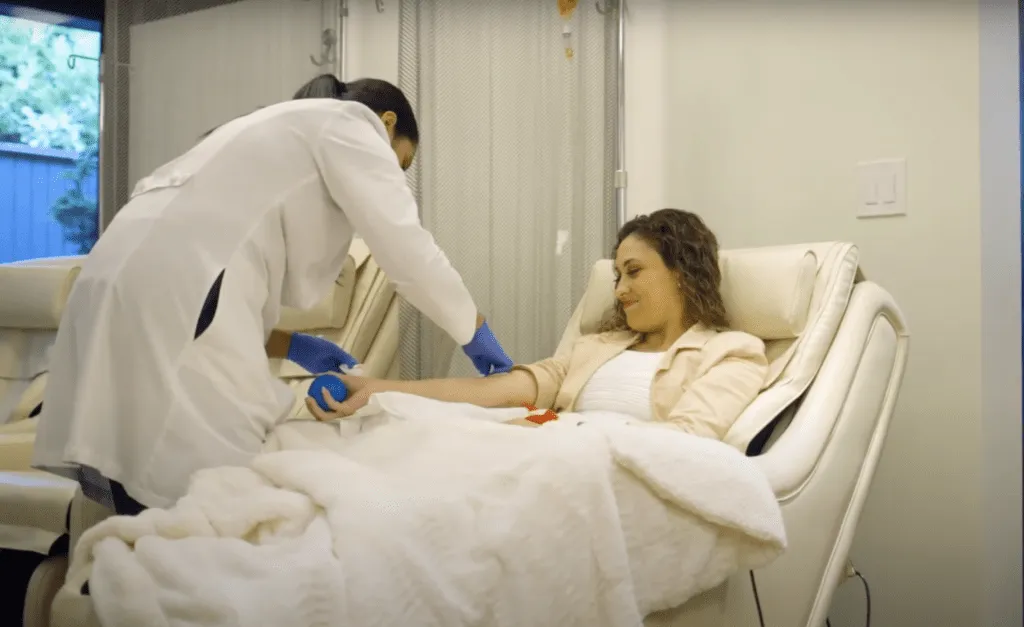
New therapies including Therapeutic Plasma Exchange and IVIG are showing promise in Long COVID, Epstein Barr Syndrome, lyme disease and tick-borne.
Post-Infectious Syndrome Leads to Complex Illness
Viral infectious such as Epstein–Barr (EBV), COVID-19, and tick-borne infections don’t always leave quietly. For some people, symptoms linger long after the initial illness has passed, leading to complex illness. Fatigue, brain fog, nerve pain, shortness of breath, or a sense that the body never fully returned to balance can become part of daily life.
Research increasingly suggests that in many of these cases, symptoms are not driven by ongoing infection, but by an immune system that remains stuck in an activated state. When this happens, the immune, nervous, and vascular systems can become dysregulated, leading to persistent inflammation and ongoing symptoms even after standard antimicrobial treatments have been completed.
People living with post-infection syndrome such as chronic EBV, Long COVID, Lyme disease (Borrelia), Babesia, or Bartonella, often describe a similar pattern: lingering fatigue and cognitive changes, ongoing pain or neurologic symptoms, and a feeling that their body is no longer responding the way it once did. Studies show that these infections can disrupt normal immune signaling, increase inflammation, affect blood vessels and nerves, and in some individuals trigger post-infectious autoimmune or inflammatory responses. In short, the body may continue reacting long after the original trigger has passed.
An Integrative Perspective on Treatment
When symptoms and immune dysregulation do not improve with appropriate antimicrobial care alone, clinicians may consider therapies that focus on restoring immune balance rather than targeting infection directly. Two such therapies are Therapeutic Plasma Exchange (TPE) and Intravenous Immunoglobulin (IVIG).
What is Therapeutic Plasma Exchange?
Therapeutic Plasma Exchange is a procedure that removes plasma from the blood, where inflammatory proteins, immune complexes, and autoantibodies can accumulate. The blood cells are returned to the body, and the plasma is replaced with albumin or a substitute solution. TPE does not kill bacteria, viruses, or parasites. Instead, its role is to reduce harmful immune activity, which may help improve symptoms such as brain fog, fatigue, neurological changes, shortness of breath, and microclotting. Strong evidence supports its use in severe babesiosis, and growing evidence suggests a potential role in immune-mediated complications following Lyme disease, Bartonella, EBV, and Long COVID.
What is IVIG Therapy?
IVIG works differently. It is a sterile infusion of purified antibodies collected from healthy donors and is used to support or rebalance the immune system. IVIG can calm autoimmune reactions, regulate inflammation, and support nerve and immune function. It is commonly used in autoimmune neurologic conditions such as CIDP, dysautonomia (including POTS-like syndromes), post-COVID complications, and other immune-mediated disorders that may be triggered by infections like Lyme disease or viral illness.
In simple terms, TPE removes harmful immune substances, while IVIG replenishes healthy immune signals. In select, complex cases, one or both therapies may be used together, depending on the underlying immune imbalance.
Root Cause, Whole-Person Care
At Holistique, chronic post-infectious illness is approached with thoughtful, root cause, integrative care. The focus is not only on addressing infections, but also on supporting immune balance, neurologic and vascular health, and overall resilience. Therapeutic Plasma Exchange is provided by Circulate Health. TPE and IVIG are considered only when appropriate and always as part of a broader, individualized care plan.
These therapies are not cures, and they do not replace antibiotics, antivirals, or other antimicrobial treatments. Not every patient is a candidate. They are reserved for carefully selected cases where immune-driven processes are clearly contributing to ongoing symptoms.
A Special Duo: TPE + IVIG
For a small group of people living with chronic or post-infectious illness, symptoms may be driven less by persistent infection and more by ongoing immune dysfunction. In these situations, therapies such as Therapeutic Plasma Exchange and IVIG may offer meaningful support, helping reduce inflammation and allow the body to move toward recovery.
If you’d like to explore whether these approaches may be appropriate for you, the team at Holistique is here to help. To schedule a consultation, please text or call (425) 451-0404.
References:
- Groning et al. Intravenous immunoglobulin therapy for COVID-19 in immunocompromised patients: A retrospective cohort study. International Journal of Infectious Diseases. July 2024.
Morse et al. A review of intravenous immunoglobulin in the treatment of neuroimmune conditions, acute COVID-19 infection, and post-acute sequelae of COVID-19 Syndrome. Brain, Behavior, and Immunity. Jan 2025.
Perricone et al. Intravenous Immunoglobulins at the Crossroad of Autoimmunity and Viral Infections. Microorganisms. Jan 2021.
- Saifee et al. Apheresis for babesiosis: Therapeutic parasite reduction or removal of harmful toxins or both? Journal of Aphoresis. Oct 2015.
- Elleuch et al. Plasma Exchange for Lyme Neuroborreliosis delayed diagnosis: A case report. Tunis Med. 2023 Jun 5.
- Celik et al. Treatment of Lyme neuroborreliosis with plasmapheresis. Journal of Clinical Aphoresis. 2016 Oct;31(5):476-8.
- Evenson et al. Therapeutic apheresis for babesiosis. Journal of Clinical Aphoresis. 1998.
Rebman et al. Post-treatment Lyme Disease as a Model for Persistent Symptoms in Lyme Disease. Front. Med. Johns Hopkins Sec. Infectious Disease. Feb. 2020.
Danieli et al. Autoimmunity Reviews. Intravenous immunoglobulin as a therapy for autoimmune conditions. Autoimmunity Reviews. Jan 2025.
You may also enjoy
 Detoxification
Apr 22, 2026
Detoxification: What It Really Means (and How to Support It Naturally)
Detoxification: What It Really Means (and How to Support It Naturally) “Detox” is one of the most commonly used—and misunderstood—terms in health and wellness. Juice cleanses, teas, and quick-fix programs promise to “flush toxins,” but from a naturopathic and functional medicine perspective, detoxification is not something you turn on for a week—it’s something your body…
 Regenerative Medicine
Jan 22, 2026
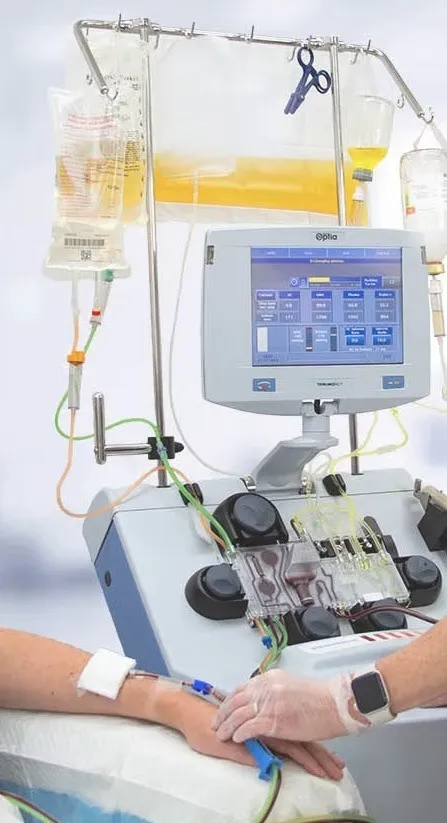
Therapeutic Plasma Exchange (TPE) for Longevity: Benefits, Safety, and Anti-Aging Science
Aging gracefully isn’t just about looking younger, it’s about feeling energetic, maintaining cognitive clarity, and supporting your body’s resilience. While lifestyle factors like nutrition, exercise, and sleep are foundational, science is increasingly focusing on blood-based interventions to support healthy aging and longevity. One emerging therapy gaining attention is Therapeutic Plasma Exchange (TPE), also known as…
 Regenerative Medicine
Jan 12, 2026
Feeling Blue? I’ve Got Good News for You, Methylene Blue!
Methylene blue is far more than a medical dye. Emerging research highlights its role in supporting cellular and mitochondrial health, with growing scientific interest in its potential in longevity and integrative medicine. History behind Methylene Blue Methylene blue has been around for a very long time.…