

Facing cancer is a deeply personal and challenging journey. While conventional treatments such as surgery, chemotherapy, radiation, and immunotherapy are the foundation of care, many people seek supportive therapies that help them feel stronger, more resilient, and more comfortable through treatment and recovery. One such supportive therapy that has been used in integrative oncology for decades is mistletoe therapy.
What Is Mistletoe Therapy?
Mistletoe therapy uses extracts from the European mistletoe plant (Viscum album), a semi parasitic plant, which contains biologically active compounds such as lectins and viscotoxins. These compounds have been shown in laboratory research to interact with immune pathways, potentially triggering cellular stress responses relevant to immunity and inflammation. PubMed
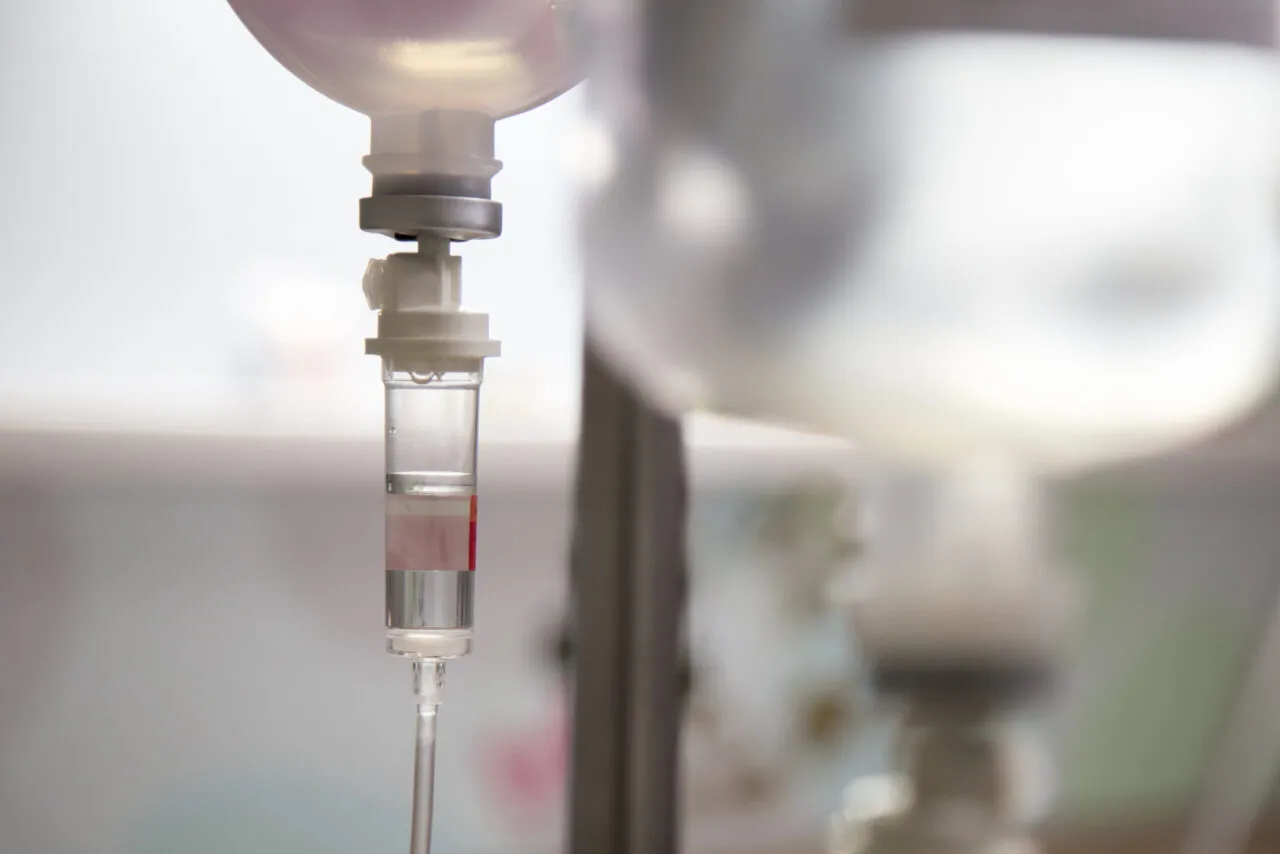
In clinical practice, mistletoe extract has been used in Europe for over 100 years in patients with cancer with safety profiles. It is most commonly given as a subcutaneous injection, though some research centers are also exploring intravenous administration under controlled conditions. The goal isn’t to replace conventional oncologic therapy, but rather to support quality of life, immune function, and symptom management during cancer care.
Short History of Mistletoe Therapy
Mistletoe therapy has been used in integrative and anthroposophic medicine for more than 100 years.
Its modern medical use began in the early 20th century, around 1917, when Austrian philosopher and physician Rudolf Steiner, together with Dr. Ita Wegman, introduced mistletoe extracts as a supportive therapy particularly in cancer care. Since then, mistletoe therapy has been widely used in parts of Europe, especially Germany, Switzerland, and Austria, and has become one of the most commonly prescribed integrative cancer therapies there.
Over the decades, mistletoe has been studied for its potential effects on:
Immune system modulation
Quality of life during cancer treatment
Fatigue, appetite, and overall well-being
Today, mistletoe therapy continues to be used by integrative physicians worldwide as a complementary treatment, tailored to the individual and used alongside conventional care when appropriate.
The Johns Hopkins Mistletoe Study
One of the most noteworthy clinical investigations into mistletoe in the United States comes from researchers at the Johns Hopkins Kimmel Cancer Center. In what is believed to be the first U.S. phase I trial of intravenous mistletoe extract (Helixor M) in patients with advanced, treatment-resistant solid tumors, researchers focused primarily on safety and dosing, and also tracked quality-of-life outcomes. Johns Hopkins Medicine
In this small study involving 21 participants:
Mistletoe extract given three times per week was generally well tolerated at the determined maximum dose of 600 mg.
Some patients experienced stable disease for weeks, and a few saw reduction in tumor size, though these responses did not meet traditional criteria for partial response.
Importantly, patients reported improvements in overall quality of life, including aspects like energy and well-being. ScienceDaily
While this phase I trial was not designed to prove effectiveness, it provided valuable early data on safety and patient experience, and lays the groundwork for future studies exploring mistletoe as a supportive adjunct to conventional treatment.
What the Broader Research Shows
Clinical research from Europe and other settings has also examined mistletoe therapy in people undergoing conventional cancer treatment. Systematic reviews and controlled trials suggest that mistletoe may have a positive impact on quality of life, including measures such as fatigue, pain, nausea, appetite, and physical, emotional, and social functioning. PubMed
A 2009 systematic review concluded that, across a range of cancer types, mistletoe therapy seemed to be safe and potentially beneficial for quality of life, though more rigorous research is needed. PubMed
Personalized Mistletoe Therapy
Mistletoe is unique in that its medicinal properties vary depending on the tree it grows on, as it takes on characteristics of its host tree and influences the body in different ways. For this reason, mistletoe therapy prescription is highly individualized.
Based on a person’s constitution, cancer type, current and past treatments and stage of treatment, different mistletoe preparations and doses may be used. For example, apple tree mistletoe may be chosen for a stronger individual early in treatment, while fir tree mistletoe may be better suited for someone who is more fragile or further along in their conventional chemotherapy care.
How Mistletoe Is Used in Integrative Care
In integrative oncology settings, mistletoe therapy is considered safe as part of a whole-person care plan. Such a plan may include nutrition, exercise, IV therapy, ozone, hyperbaric oxygen therapy and therapeutic plasma exchange therapy. It may be offered alongside standard cancer treatments to help support the immune system and improve tolerability and comfort of conventional therapies. It’s often described by patients as:
Enhancing energy and well-being
Reducing treatment-related fatigue
Helping with sleep, appetite, and/or mood
These experiences are consistent with many patient-reported outcomes in the research literature.
What Mistletoe Therapy Is Not
It’s important to be clear:
Mistletoe therapy is not a standalone cancer cure.
It does not replace surgery, chemotherapy, radiation, or immunotherapy.
It is generally used as a supportive, adjunctive approach under the guidance of clinicians experienced in integrative oncology.
Scientific understanding continues to evolve, and while mistletoe shows promise in supportive contexts, it’s best viewed as one piece of a comprehensive, personalized care plan tailored to each person’s needs and goals.
A Holistic Perspective
At Holistique, we approach supportive cancer care with deep respect for both evidence and individual experience. This means prioritizing safety, careful coordination with oncology teams, and thoughtful choices that support the whole person physically, emotionally, and energetically.
Mistletoe therapy may be one supportive option for those seeking integrative care, particularly when quality of life and immune balance are priorities. If you’re curious about whether mistletoe therapy may be appropriate for you or a loved one, we’re here to help explore your options with clarity and compassion.
Dr. Darvish is certified in Mistletoe therapy and holds a Fellowship in Integrative Cancer Therapies. She has been using mistletoe therapy in her practice for almost 20 years.
Reach out for a consult, call or text (425) 451-0404.
References
Johns Hopkins Kimmel Cancer Center completed the first U.S. phase I trial of intravenous mistletoe (Helixor M), documenting safety, manageable side effects, and improved quality of life in advanced cancer patients. Johns Hopkins Medicine+1
A meta-analysis of clinical trials found that mistletoe extract was associated with improvements in quality of life across various cancer types. PubMed
Earlier systematic review concluded supportive mistletoe therapy appeared safe and beneficial for quality of life in adults with solid tumors. PubMed
- https://www.cancer.gov/about-cancer/treatment/cam/hp/mistletoe-pdq
- https://aacrjournals.org/cancerrescommun/article/3/2/338/718406/Phase-I-Trial-of-Intravenous-Mistletoe-Extract-in
- https://www.mdpi.com/1467-3045/47/8/672
You may also enjoy
 Cancer Supportive Care
Jan 18, 2026
High-Dose IV Vitamin C and IV Artemisinin for Cancer Support: Benefits, Safety, and Integrative Oncology
When someone is diagnosed with cancer, the first focus is understandably on conventional treatments like surgery, chemotherapy, radiation, and immunotherapy. Yet many people navigating cancer care often find themselves without support of their healthy cells. They find themselves weakening through conventional therapies and losing hope. This is when supportive integrative cancer therapies find their way…
 Cancer Supportive Care
Jun 3, 2025
Special Event June 13th – Early Cancer Detection Test
SPECIAL EVENT June 13th Early Cancer Detection Test Event June is National Cancer Survivor Month, and this year, Holistique is excited to offer a special opportunity for our Holistique community and their friends. On Friday, June 13th, at Holistique, Grail Labs will be offering their unique early cancer detection screening test, the Galleri test, at…
 Cancer Supportive Care
Oct 2, 2024
Understanding Thermography: A Cutting-Edge Imaging Tool at Holistique
Thermography, or thermal imaging, is an innovative diagnostic method that uses infrared cameras to capture and analyze heat patterns in the body. This non-invasive approach provides valuable insights into various health conditions by detecting abnormal temperature variations that may signal inflammation. Key Benefits Completely Non-Invasive: Thermography is a safe procedure that uses no radiation or…