
Microbiome & Longevity: How Your Gut Could Help You Age More Gracefully
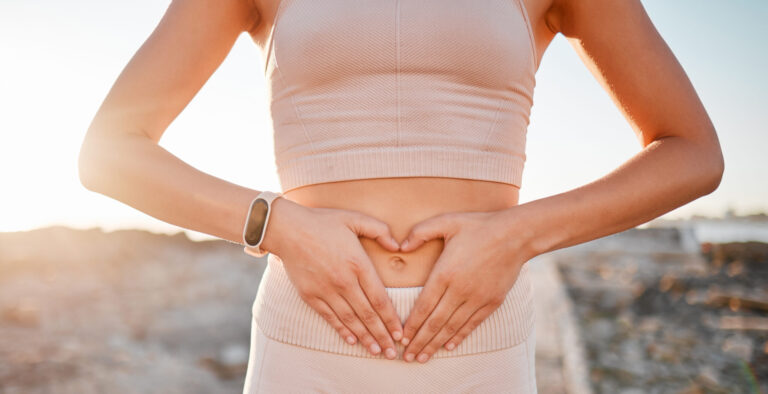
The Microbiome and Aging
Aging isn’t just about wrinkles and gray hair. It is a complex biological process that affects every system in the body. Recent research suggests one of the most surprising players in healthy aging and longevity isn’t in a supplement bottle, or even in the cells. It is inside your gut. Welcome to the world of the microbiome. This ecosystem of trillions of microbes living in your digestive tract plays a vital role in longevity, powerfully influencing how we age.
What Is the Microbiome?
The gut microbiome is an ecosystem of bacteria, fungi, viruses, and other microorganisms living primarily in the intestines. These microbes help digest food, train the immune system, make vitamins, and even talk to the brain. The microbiome affects your brain function, your immune health, your hormone balance, inflammation and disease trajectories and more. Recent science shows these are mighty microbes that influence our longevity, general health and aging.
How the Microbiome Changes With Age
As you grow older, your gut microbiota changes. Diversity of the bacteria, fungi, viruses and microbes often indicates a healthy microbiome. Gut microbiome diversity tends to be decreased and disrupted in many people with chronic health conditions and cancer as certain beneficial groups of bacteria decrease over time while the more inflammatory ones increase. These shifts are linked to inflammation, reduced gut integrity, and age-related diseases as well as cancer.
Microbiome and Centenarians
Some studies show that very old and healthy individuals, such as centenarians, maintain a more diverse and balanced microbiome compared to their peers with poorer health outcomes. In other words, the diversity of the microbiome plays a role in longevity. The more diverse the amounts and types of bacteria, fungi, viruses, parasites in our gut, the longer our lifespan and health span.
The Science Connecting Microbiome & Longevity
Recent scientific studies show a strong link between certain patterns within the microbiome, longevity and overall health and healthy aging. These patterns include:
Genetics: A major analysis across large genetic datasets found that specific gut microbes are genetically linked with longevity traits, and others with shorter lifespan.
Microbial diversity: Older adults with healthier aging patterns tend to have higher microbial diversity, such as centenarians. Diversity of the microbiome seems to be protective against chronic inflammation and disease.
Centenarians’ gut signatures: People who live past 100 often have microbiome features resembling younger individuals, such as higher evenness and beneficial bacterial types.
These findings suggest that your gut bacteria aren’t just passengers. These microbes are active participants shaping how the body ages and how it is protected against aging diseases.
Microbiome, Inflammation, and Aging
One of the hallmarks of aging is inflammaging. Inflammaging refers to inflammation plus aging. In other words, chronic, low-grade inflammation increases with age and contributes to diseases like diabetes, heart disease, and neurodegeneration. The gut microbiome, its health and diversity, plays a central role in the process of inflammaging.
Leaky Gut, Microbiome and Inflammaging
When the microbiome loses diversity or beneficial species, the gut barrier weaken, allowing bacterial components along with other larger molecules to leak into the bloodstream and trigger inflammation. This is known as leaky gut which leads to inflammaging. Conversely, healthy gut microbes produce short-chain fatty acids (SCFAs) that help regulate inflammation and support immune balance, thereby reducing inflammaging. The result is healthier, more graceful aging.
In other words, when gut bacteria are diverse and in a healthy balance, the gut barrier maintains its health and durability. This leads to decrease inflammation and inflammaging, and ultimately to healthier and slower aging process.
Simple logic:
Balanced and high diversity microbiome + strong gut barrier → less chronic inflammation → healthier aging.
Can We Influence How We Age and Our Microbiome?
The short answer is Yes, and here’s how:
While genetics play a role, your lifestyle heavily influences your microbiome. That means you can take steps to support gut health and potentially influence your aging process.
1. Eat for Diversity. A diet rich in fiber, plant foods, and fermented foods feeds beneficial gut bacteria. These bacteria ferment fiber into short-chain fatty acids (SCFAs), which help regulate inflammation and support immune health. Include flaxseeds, chia seeds, and lentils as beneficial fiber. Fermented foods such as greek yogurt, sauerkraut, miso or tempe improve the microbiome diversity and provide healthy bacteria for your gut. And don’t forget the spices ( like sumac, turmeric, cloves, cinnamon, etc), an easy way to increase your polyphenols in your diet.
2. Stress Less, Sleep More. Chronic stress and poor sleep disrupt gut microbes. Prioritizing rest and stress management supports microbial balance. Try to get 8 hours of sleep every night. Stress decreases microbiome diversity and promotes leaky gut. Focus on de-stressing, letting go of the unnecessary including negative thoughts, gossip, negative self talk, etc. Turn to meditation, deep breathing exercises, and prayer as daily relaxation habits and to access the mysteries of the world beyond to help activate healthy bacteria.
3. Stay Active. Exercise isn’t just good for muscles and mood. Exercise promotes a more diverse and healthy gut microbiome. Get up and move every day, lifting weights and incorporating 30 minutes of brisk walking or similar aerobic workout.
4. Be Careful with Antibiotics. While sometimes necessary, antibiotics can wipe out beneficial microbes. Talk with your doctor about gut-supporting strategies if you need them. Remember chlorinated tap water acts as an antibiotic and can disrupt the microbiome similarly to antibiotics.
5. Get Your Hormones Balanced. Your hormones play a major role in your gut microbiome and your gut microbiome plays a vital role in your hormone balance. For example, perimenopausal women have a shift in their microbiome as estrogen levels drop and as the microbiome shifts, estrogen metabolism becomes poorer increasing risks for hormone related cancers, inflammation and aging diseases.
6. Minimize Toxic Exposures. Plastics, medications, chemicals, pesticides, herbicides that we consume, touch, and inhale damage the microbiome quality and diversity; hence, increasing risks of aging, inflammation and disease. Prioritize consuming organic foods and drinks. Use clean make up and body care products, detergents and household cleaning products.
It’s Not Magic, Diversity Matters
We’re still learning the precise “how” and “why,” and not every microbe works the same way for everyone. But studies consistently show a strong link between a balanced gut microbiome, high in diversity and markers of healthy aging, including inflammation control, metabolic health, and longevity.
Your Gut Isn’t Just For Digestion, It’s Your Partner in Healthy Longevity
Aging is natural, but how we age can vary and is partially in our control. The gut microbiome is emerging as a key piece of the longevity puzzle. Instead of chasing pills or quick fixes, nurturing your gut through whole foods, balanced lifestyle habits, and mindful health choices can give your microbiome, and you, the best shot at aging gracefully.
To learn more about how to age gracefully, read: “The Golden Gate” or listen to TEDx Talk on “Secret to Graceful Aging”.
If you want to age more gracefully and improve your longevity and microbiome, text or call Holistique 425-451-0404 for a personalized evaluation of your gut microbiome and what you need to do to age more gracefully.
References
-
O’Toole, P. W., & Jeffery, I. B. (2015).
Gut microbiota and aging. Science, 350(6265), 1214–1215.
https://doi.org/10.1126/science.aac8469 -
Biagi, E., Franceschi, C., Rampelli, S., Severgnini, M., Ostan, R., Turroni, S., … Candela, M. (2016).
Gut microbiota and extreme longevity. Current Biology, 26(11), 1480–1485.
https://doi.org/10.1016/j.cub.2016.04.016 -
Badal, V. D., Vaccariello, E. D., Murray, E. R., Yu, K. E., Knight, R., Jeste, D. V., & Nguyen, T. T. (2020).
The gut microbiome, aging, and longevity: A systematic review. Nutrients, 12(12), 3759.
https://doi.org/10.3390/nu12123759 -
Santoro, A., Ostan, R., Candela, M., Biagi, E., Brigidi, P., Capri, M., & Franceschi, C. (2018).
Gut microbiota changes in the extreme decades of human life: A focus on centenarians. Cellular and Molecular Life Sciences, 75, 129–148.
https://doi.org/10.1007/s00018-017-2674-y -
Kim, S., Jazwinski, S. M. (2018).
The gut microbiota and healthy aging: A mini-review. Gerontology, 64(6), 513–520.
https://doi.org/10.1159/000490615 -
Calder, P. C., Bosco, N., Bourdet-Sicard, R., Capuron, L., Delzenne, N., Dore, J., … Meheust, A. (2017).
Health relevance of the modification of low-grade inflammation in aging (inflammaging). Clinical Nutrition, 36(3), 649–660.
https://doi.org/10.1016/j.clnu.2016.09.007 -
Claesson, M. J., Cusack, S., O’Sullivan, O., Greene-Diniz, R., de Weerd, H., Flannery, E., … O’Toole, P. W.(2011).
Composition, variability, and temporal stability of the intestinal microbiota of the elderly. Proceedings of the National Academy of Sciences (PNAS), 108(Supplement 1), 4586–4591.
https://doi.org/10.1073/pnas.1000097107 -
Koh, A., De Vadder, F., Kovatcheva-Datchary, P., & Bäckhed, F. (2016).
From dietary fiber to host physiology: Short-chain fatty acids as key bacterial metabolites. Cell, 165(6), 1332–1345.
https://doi.org/10.1016/j.cell.2016.05.041
“Diversity of hues, form and shape enricheth and adorneth the garden, and heighteneth the effect thereof.” – Baha’u’llah
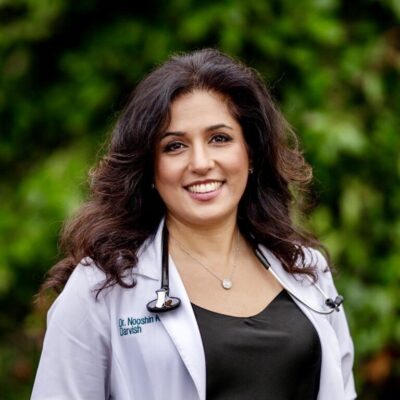
Dr. Nooshin K. Darvish is an awarding-winning Washington board-licensed Naturopathic Doctor, certified in Anti-Aging and Regenerative Medicine with Fellowships in Integrative Cancer Therapies and Metabolic and Nutrition Medicine. She is the founder and Chief Medical Officer of Holistique Medical Center & IV Lounge, and the author of "The Golden Gate". A 1995 graduate, former Chief Resident, and Affiliate Faculty of Bastyr University, with more than 30 years of clinical practice, Dr. Darvish practices Regenerative, Naturopathic, and Integrative medicine with a passion to assist patients in their transformation towards physical, mental, emotional, and spiritual wellness. As a physician, author, educator, lecturer, and a TEDx speaker, her mission is to inspire others to become 'agents of transformation'.