
Peptides in Menopause

Menopause is a natural life transition, but symptoms such as hot flashes, fatigue, sleep problems, weight gain, joint discomfort, and skin aging can significantly affect well-being. While bio-identical hormone replacement therapy (BHRT) is helpful for many women, peptide therapy is emerging as a complementary option within integrative menopause care.
What Are Peptides?
Peptides are short chains of amino acids that act as signaling molecules in the body. They help regulate processes such as hormone communication, tissue repair, immune balance, metabolism, and collagen production. Unlike hormones, peptides support the body’s natural pathways rather than directly replacing hormones.
Why Peptides May Be Helpful During Menopause
As estrogen and progesterone decline, multiple systems are affected including muscle mass, sleep, mood, digestion, and skin health. In essence, during perimenopause and menopause, signaling molecules (peptides) that are involved with initiating metabolic, energy and physiological processes diminish leaving the woman in a hormonal chaos impacting the mind, mood and body. Research suggests that certain peptides may help support these systems, especially when used under medical supervision as part of a personalized plan, to re-establish order and regulation of signals within the body.
Common Peptides Used in Menopause Support
Peptides should only be used under the guidance of a qualified healthcare provider as they are through prescription only. The quality and purity of peptides, as well as the pharmacy that compounds them, are critically important to ensure safety and maximize effectiveness. At Holistique, we take great pride in researching and identifying pharmacies that provide reliable clean sources of peptides.
If you are purchasing your peptides online, be careful as many impure peptides are sold through online pharmacies and shops. For pure peptides, please request a prescription from a physician that is well-versed and certified in peptide therapy. Dr. Darvish is one of the first globally certified peptide providers 8 years ago and continues to train our Holistique physicians on this powerful therapy.
For a more peptides used in menopause check out her blog. Here are three used most commonly:
1. GHK-Cu (Copper Peptide)
Well-studied for its role in collagen synthesis, skin repair, and hair follicle support, GHK-Cu is a well known peptide in the aesthetic field. Because declining estrogen levels accelerate collagen loss, causing weakened skin, hair, and ligamental support, GHK-Cu can be helpful in menopausal women suffering with aging skin, hair and joints. This peptide is available as topical, injectable and oral.
2. Thymosin Alpha-1 (TA1)
TA1, a thymus gland peptide, facilitates immune modulation and inflammation balance, which shifts during menopausal hormonal transitions. As we age, our thymus gland, located below the thyroid gland, and responsible for immune fighting of viruses and cancer, declines in size and function, leaving the immune system weakened and susceptible to infections. TA1 helps activate thymus gland function to support during viral infections and chronic immune conditions.
3. GLP-1–Related Peptides (Medical Category)
GLP-1 agonist peptides include semaglutide or tirzepatide (not traditional peptides but peptide-based medications). At Holistique, GLP-1 is compounded through compounding pharmacies at personalized dosages with minimal fillers and preservatives and chemicals. Personalized dosages of GLP-1 peptides help reduce adverse reactions while optimizing their effects. They are often compounded with additional essential amino acid glycine and B12 to enhance its effects and reduce its side effects. These peptides can be helpful during menopause for a few reasons including:
- Improve insulin sensitivity during menopause
- Improve mast cell/histamine concerns that arise as estrogen and progesterone levels drop during menopause
- Reduce inflammation as estrogen levels drop
- Assist with weight management during menopause
- Support brain health
The most common concern with GLP-1 is the muscle loss which can be minimized through regular obligatory resistance training and high protein intake. At Holistique, we pair GLP-1 with in-house muscle building therapies to ensure muscle mass protection.
A Personalized, Holistique Approach Is Key
Peptides are not a replacement for estrogen or progesterone, and they are not a one-size-fits-all solution. They work best when combined with hormone evaluation, nutrition, stress management, exercise, sleep, and lifestyle support.
Dr. Darvish and the Holistique providers integrate evidence-based regenerative medicine with functional and naturopathic care to create individualized comprehensive menopause plans to optimize the mind, mood, cellular and hormone health and physical wellbeing .
Final Thoughts
Menopause does not have to mean suffering and loss of vitality. Research-supported peptide therapies offer a promising adjunct for women seeking a comprehensive, integrative approach to menopause support. Explore more menopause resources on DrDarvish.com and through her book on women’s health and longevity: “The Golden Gate” or to determine what’s right for you. Our peptide specialist for menopause include Dr. Darvish and Dr. Jill Fresonke.
References
-
Bartke A, Growth Hormone and Aging: Updated Review, PMC. https://www.ncbi.nlm.nih.gov/pmc/articles/PMC6305861/ PMC
-
Fernández-Garza LE et al., Growth Hormone and Aging: A Clinical Review, PMC. https://www.ncbi.nlm.nih.gov/pmc/articles/PMC12009952/ PMC
-
NCBI Bookshelf, Growth Hormone in Aging. https://www.ncbi.nlm.nih.gov/books/NBK279163/ NCBI
-
Dou Y et al., The Potential of GHK as an Anti-Aging Peptide, PubMed. https://pubmed.ncbi.nlm.nih.gov/35083444/PubMed
-
Dominari A et al., Thymosin alpha-1: Comprehensive Review, PubMed. https://pubmed.ncbi.nlm.nih.gov/27450734/PubMed
-
World-Of-Peptides overview of peptide research categories. World Of Peptides
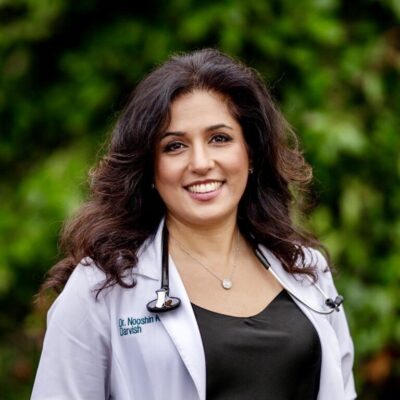
Dr. Nooshin K. Darvish is an awarding-winning Washington board-licensed Naturopathic Doctor, certified in Anti-Aging and Regenerative Medicine with Fellowships in Integrative Cancer Therapies and Metabolic and Nutrition Medicine. She is the founder and Chief Medical Officer of Holistique Medical Center & IV Lounge, and the author of "The Golden Gate". A 1995 graduate, former Chief Resident, and Affiliate Faculty of Bastyr University, with more than 30 years of clinical practice, Dr. Darvish practices Regenerative, Naturopathic, and Integrative medicine with a passion to assist patients in their transformation towards physical, mental, emotional, and spiritual wellness. As a physician, author, educator, lecturer, and a TEDx speaker, her mission is to inspire others to become 'agents of transformation'.